Русский
 What Is iGaming in 2026? Infrastructure, Compliance, and Platform Architecture

iGaming is the system that allows users to place bets and access an online casino through internet-based platforms instead of physical venues. At the foundation of every iGaming business is online casino software that connects game providers, payment processing, and player account management into a single backend environment.
The iGaming industry operates at over $100 billion in global revenue. This represents about 15–20% of the $600+ billion gambling industry, reflecting the increase in high-frequency digital transactions and real-time content delivery. Platform performance directly impacts revenue consistency for iGaming operators. A standard online casino platform relies on 8–12 main components, including API gateways, wallet systems, RNG-certified engines, and session controllers. These components coordinate to process player interactions in real time within the platform.
Each player action, from opening a game to confirming a bet, sends a request to the platform backend that must be processed within milliseconds. Most live platforms target response times below 100ms. Latency, uptime, and transaction speed define system reliability and influence retention at every stage of user interaction. This article explains how iGaming platforms are structured, how iGaming regulations are implemented in practice, and which technical metrics define platform performance.
Quick Tips for Operators in 2026
What Is iGaming? Architecture Behind Online Gambling Platforms
iGaming describes platforms that deliver online gambling products such as casino games, sportsbooks, and lotteries through interconnected systems. In contrast to traditional gambling, these platforms depend on an online casino API to link external providers, payment gateways, and internal services. The growth of the iGaming market is driven by how reliably these systems process transactions and game events in real time.
Every online gambling platform is built on three interconnected layers:
- Game Content Layer. Supplies games with predefined RTP configurations and volatility profiles.
- Platform Layer. Controls player wallets, session states, and account data used by iGaming operators.
Infrastructure Layer. Supports API communication, response times, and global content delivery.
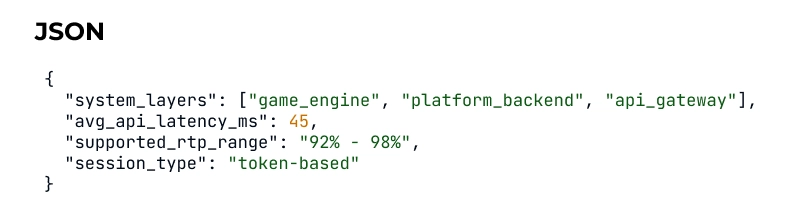
This example configuration shows how modern gaming platforms maintain performance and control. API latency around 45ms supports fast interactions, while token-based sessions secure player access. These same systems also extend to legal sports betting, where real-time odds updates depend on stable infrastructure.
iGaming 2026: From Growth to Compliance-First Infrastructure
iGaming platforms of today are evaluated less by features and more by how safely and accurately they handle transactions under regulation. Operators investing in a platform must consider whether the system can process payments and remain stable as requirements change (and they change all the time). This shift reflects growing pressure from regulators and payment providers, where technical standards now define whether a platform can operate at all.
This translates into specific system capabilities that must be in place:
- ISO 20022 alignment. Standardized transaction formats required by regulated payment systems.
- AI-driven retention. Controlled engagement based on player behavior data.
- Prediction markets. Expansion into structured, data-based betting models.
- Micro-GEO expansion. System adaptation to country-level regulatory differences.
- Regulatory sandbox. Provides testing under real compliance constraints.
These elements show that iGaming is becoming infrastructure-led. Modern iGaming platforms are increasingly operating as consolidated B2B ecosystems. They combine providers, payments, and compliance infrastructure. Platform choice now influences licensing success, payment approvals, as well as long-term system stability.
The Core iGaming Tech Stack in 2026
iGaming platforms today operate as integrated transaction systems where each component processes part of a player action in real time. This stack directly affects stability, transaction accuracy, and compliance. Every bet, login, or withdrawal depends on how well these systems communicate and execute under load across multiple providers and payment channels.
Every transaction moves through a structured chain of systems that handle different parts of the process:
- PAM (Player Account Management). Manages player data, sessions, and account logic.
- Wallet System. Tracks balances and processes deposits and withdrawals instantly.
- API Layer. Connects game providers, payment services, and internal platform systems.
- Payment Orchestration. Routes transactions across multiple providers and regions.
When these systems are fully integrated, platforms can scale without performance loss. This results in stable transaction processing, improved player experience, as well as the ability to operate reliably in regulated markets.
How the iGaming Industry Works: Operator Perspective
The online gambling market functions through a coordinated system of services that deliver online gaming experiences across multiple channels. Operators depend on providers, aggregators, and payment processors to maintain platform functionality. In this setup, an online game aggregator acts as a central integration layer, giving access to multiple game providers through a single connection. The growth of the iGaming market is reflected in how reliably these integrations perform under real-time conditions.
The iGaming ecosystem consists of these elements from an operational perspective:
- Operator. Controls platform operations, user management, and reporting.
- Game Providers. Deliver game logic, RTP configurations, and content updates.
- Aggregators. Simplify integrations by offering access to multiple providers.
Payment Systems. Process financial flows linked to all gambling activities.
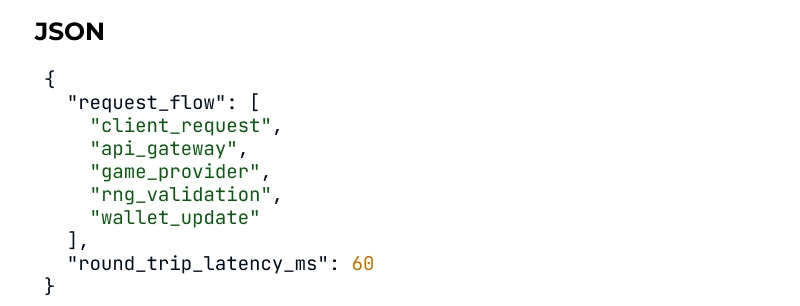
This data flow explains how user interactions are processed. Each action moves through the API to the provider, where the outcome is generated and validated before updating the wallet. When it comes to mobile gaming scenarios, system responsiveness depends on maintaining low latency across this chain, as delays can interrupt gameplay and affect transaction accuracy. At the system level, latency above 100–120ms can lead to visible delays in game response and increase the likelihood of failed/duplicated transactions during peak load. Consistent processing speeds improves user experience in iGaming by maintaining stable response times and accurate balance updates.
Platform Performance in Modern iGaming Systems
Platform stability is a major factor in whether users continue placing a wager or abandon the session. Most issues in online betting environments originate from system performance, including integration delays and inefficient iGaming payment gateways. For gambling operators, even small delays can accumulate into lost transactions and reduced user engagement during high traffic periods.
The following metrics determine how a platform performs in production:
- API Latency. Measures how quickly the system responds to player actions.
- Uptime. Indicates platform availability and downtime frequency.
- TPS (Throughput). Defines how many requests the system can process simultaneously.
- Transaction Speed. Covers deposit and withdrawal execution time.
The table below presents performance levels observed in iGaming platforms during real operating conditions. Each metric reflects how the system handles player activity, including speed, stability, and load. This information allows operators to assess how performance impacts transaction success, continuous gameplay, and user retention over time.
| Metric | Industry Average | High-Performance | Target Operational Impact (if exceeded) | Operator Risk |
|---|---|---|---|---|
| API Latency | 80–120ms | <50ms | Delayed game response, slower bet confirmation | Increased drop-off, reduced session duration |
| Uptime | 99.5% | 99.99% | Frequent short outages or instability | Lost revenue during downtime, lower player trust |
| TPS (Throughput) | 500–1,500 | 3,000+ | System overload during peak traffic | Failed transactions, scaling limitations |
| Transaction Speed | 2–10 sec (withdrawals) | <1–2 sec (instant systems) | Slow deposits/withdrawals | Reduced retention, lower player lifetime value |
These ranges may slightly vary depending on infrastructure setup, provider integrations, and traffic distribution.
Launching iGaming today is closer to running a financial exchange than a casino. Every bet is a transaction that must be processed, validated, and settled in milliseconds. Players see games, but operators are really paying for a system that doesn’t break when real traffic hits. iGaming in 2026 is primarily about how the system performs when thousands of transactions happen at the same time.

Denis Kosinsky
Chief Operating Officer at NuxGame
Compliance Processes in the iGaming Industry
Compliance in the global online gambling market operates as a continuous system function. If your iGaming business needs an online gambling license, then you must first prove you can regulate your player activity, financial transactions, as well as game outcomes. Regulatory bodies such as the Malta Gaming Authority, UK Gambling Commission, and Kahnawake Gaming Commission require platforms to meet strict technical conditions prior to operating.
At the system level, compliance in the iGaming sector includes:
- GLI-19 RNG Validation. Verifies statistical fairness of outcomes.
- ISO/IEC 27001 Security Standard. Defines data protection and access control.
- Transaction Logging Systems. Provide full traceability of financial flows.
- Audit Trail Systems. Record all platform actions for audits.
- Regional Enforcement Systems (e.g. LUGAS). Apply player limits and monitoring.
Compared to traditional gambling, where compliance is manual, modern platforms integrate legal frameworks into backend systems. This allows automatic enforcement of responsible gaming rules and regional laws. Standards supported by the American Gaming Association contribute to legalized and regulated online gambling, creating the history of iGaming and supporting iGaming regulation worldwide.
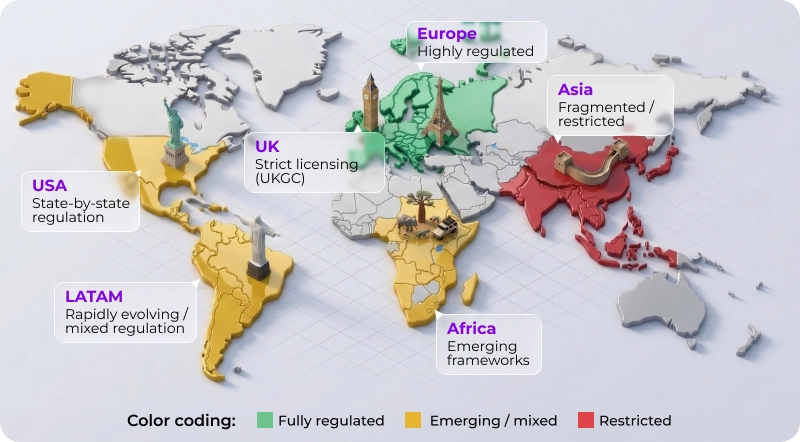
Global iGaming Regulation Map: 2026 Overview
iGaming regulation varies significantly by region. Each continent applies different licensing models, technical requirements, and enforcement mechanisms.
Types of iGaming Explained Through System Execution Models
The main forms of iGaming can be understood more clearly through system execution models rather than simple categories. Games like poker, live dealer formats, and products built on slot machine software behave differently at the backend level. For online gambling operators, this distinction is important when managing performance across online casino games and online sports betting platforms.
From a system perspective, each type follows a different execution flow:
| Type | Core System Behavior | Performance Focus |
|---|---|---|
| Slots | High-frequency RNG processing | Fast response and scaling |
| Live Casino | Continuous WebSocket streaming | Connection stability |
| Sportsbook Event-driven odds updates Real-time data processing | Event-driven odds updates | Real-time data processing |
These execution models affect how systems scale and respond to user activity. Slot-based platforms generate constant load, while live systems depend on stable streaming environments. Sportsbook engines must process rapid changes in external data. Understanding these differences is paramount when teams plan to start an online casino: system design directly influences both performance outcomes and the legality of iGaming in regulated markets.
iGaming Industry Trends in 2026: Platform Technology and System Behavior
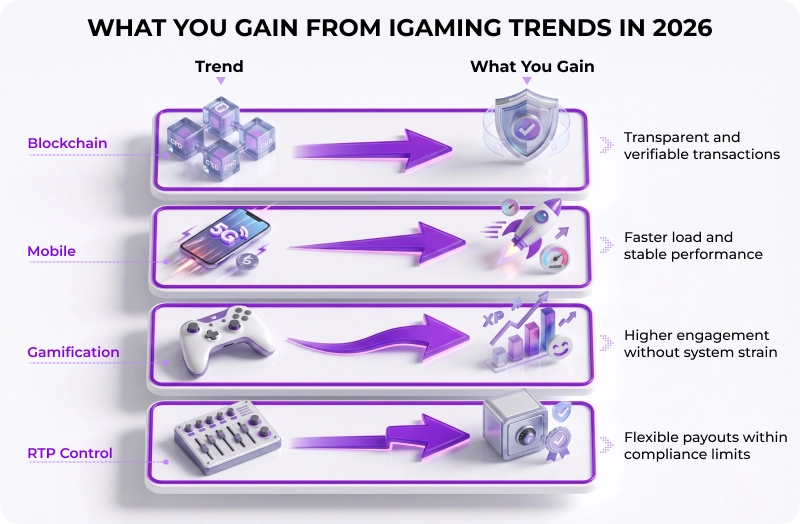
The modern iGaming landscape is influenced by system-level changes rather than content expansion. The growth of iGaming is driven by faster systems, new payment models, and mobile-first access. Concepts such as the blockchain casino are introducing alternative approaches to transaction validation, where system trust is distributed rather than centralized.
At the platform level, main iGaming trends include:
- Distributed transaction verification. Uses blockchain systems to validate bets and payouts.
- Mobile performance optimization. Focuses on reducing asset size and improving load speed.
- Gamification mechanics. Adds structured engagement layers beyond standard gameplay.
- Adaptive RTP ranges. Allows controlled variation in payout configurations.
These changes impact system design across online gambling and betting platforms. Mobile environments require high-speed data delivery, while blockchain systems introduce new validation processes. RTP adjustments influence engagement models. These trends define the future of iGaming, especially when adopting crypto casino software as part of infrastructure.
iGaming Expansion & Technical Localization in LATAM and Asia-Pacific
The trends discussed above reshape platform architecture and influence where iGaming systems can scale next. LATAM and Asia-Pacific markets are driving growth. But expansion depends on how well platforms adapt to local technical environments. Differences in payment systems, regulatory rules, and infrastructure quality require platforms to adjust how transactions are processed and validated.
Expansion into these markets requires platforms to adapt in the following areas:
- Payment localization. Support for regional methods and currency processing
- Regulatory enforcement. Automated application of country-specific compliance rules
- Infrastructure setup. Low-latency delivery through local hosting or CDN
- Data handling. Alignment with local storage and privacy requirements
These adjustments are not optional. Platforms that fail to localize may have to deal with transaction errors or compliance issues. Successful expansion depends on whether the system can adapt to local conditions without compromising performance or stability.
Wrap-up: How NuxGame Supports iGaming Operators
The iGaming definition today reflects a system-based approach where infrastructure, compliance, and execution models define platform value. The growth of the iGaming industry is closely tied to how effectively platforms operate under real-time conditions while meeting regulatory standards required for a gaming license. For operators, this means evaluating platforms based on measurable system metrics and integration capability.
A solid iGaming software platform provides fast deployment, unified provider integration, consistent response times, and embedded compliance mechanisms. These characteristics reflect current trends in iGaming, where system reliability and regulatory readiness bring both user satisfaction and long-term platform stability.
NuxGame applies these principles in practice, equipped with infrastructure configured to support 99.99% uptime for stable operation. We offer a complete iGaming software ecosystem developed for consistent performance and multi-jurisdiction compliance. Contact our managers to start a discussion about integration and deployment.